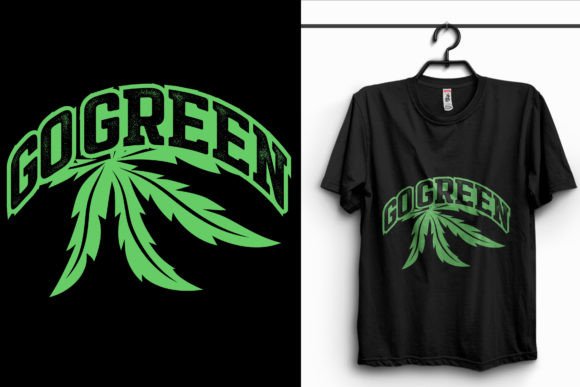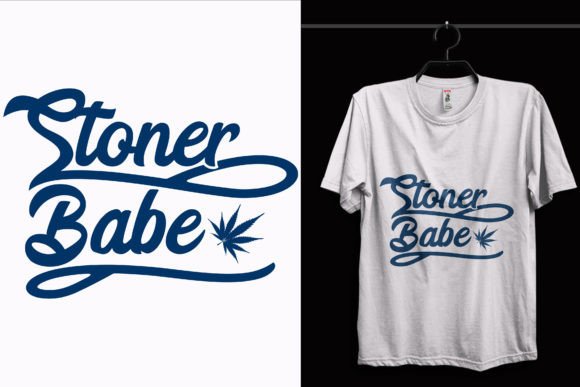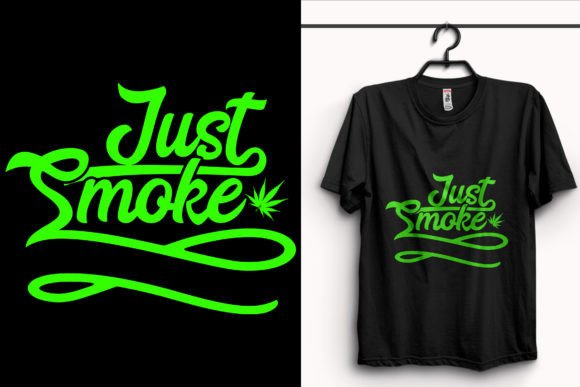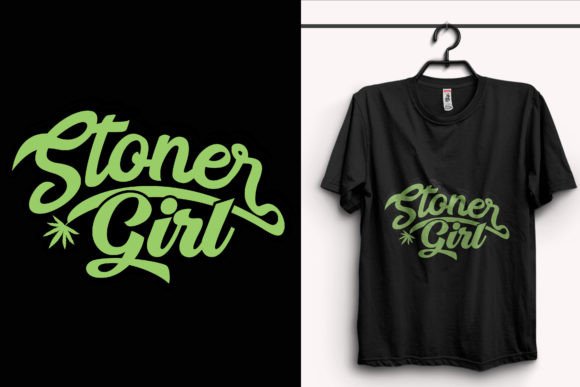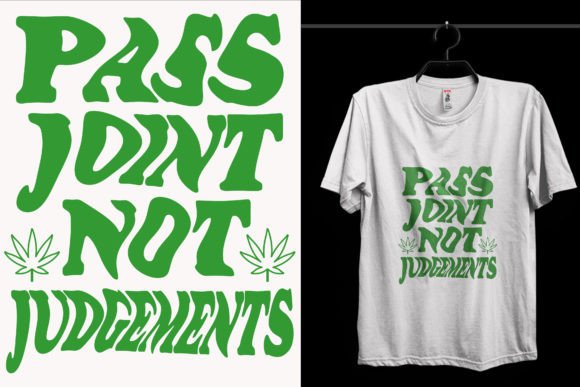
Pas Joint Not Weed T-Shirt Design
First Impression: Bold, Playful, and Instantly Recognizable
When I opened the Pas Joint Not Weed T-Shirt Design files, my eye went straight to the clean vector lines and balanced negative space—not flashy, but confidently composed. It’s got that rare combo: simple enough for quick stitching, yet distinctive enough to hold attention on a sweatshirt or tote bag. The layout feels intentional—not overcrowded, not sparse—and the lettering has just enough personality without veering into hard-to-stitch territory. As an embroidery designer who tests hundreds of graphics each season, I immediately pictured it stitched on a heavyweight organic cotton tote for a local boutique’s summer launch.
A Real-World Test: Embroidering It on a Linen-Cotton Apron
Last week, I used Pas Joint Not Weed T-Shirt Design for a custom apron order—linen-cotton blend, medium weight, slightly textured. I chose a matte black thread on oat-colored fabric. The result? Crisp edges, smooth satin stitch curves, and zero puckering—even in the tighter corners. Because the design is 100% vector-based and delivered at 300 DPI (4500×5400), scaling down to fit a 4” hoop was seamless. No pixelation, no jagged edges. That matters when your client is gifting it as a personalized kitchen staple—they’re not looking at file specs; they’re feeling the quality of the finished product.
Where It Shines (and Where to Pause)
Pas Joint Not Weed T-Shirt Design works beautifully across several real embroidery use cases:
- Custom apparel: T-shirts, crewnecks, and raglan sleeves—especially with contrast thread on mid-tone fabrics.
- Tote bag design: Holds up well at 6–7” wide, where readability and impact matter more than micro-detail.
- Embroidered patch: Clean outlines and open interior spaces make it ideal for iron-on or sew-on patches.
- Baby embroidery: Gentle scale and minimal fine detail reduce risk of snagging on delicate knit onesies.
- Holiday embroidery: Works for casual, non-traditional gift items—think “ugly sweater” alternatives or minimalist stocking stuffers.
But be thoughtful in these situations:
- Small hoop sizes under 3”: The letter spacing and subtle curve details may compress too much—test first.
- Stretchy fabric (like jersey or performance knits): Requires cutaway stabilizer + basting stitches—this design’s clean lines won’t forgive shifting.
- Dark fabric with light thread: The RGB color profile means you’ll need to adjust brightness/contrast in your embroidery software before digitizing—don’t rely on the JPEG preview alone.
- Curved surfaces (caps, beanies): The horizontal layout isn’t inherently cap-unfriendly, but avoid placing it too close to the crown seam unless you’ve tested the distortion.
How It Shapes Your Handmade Product’s Impact
This isn’t just a graphic—it’s a quiet signal of intention. When customers see Pas Joint Not Weed T-Shirt Design on a handmade pillow cover or boutique tea towel, they register consistency: confident line work, balanced proportions, and a vibe that feels curated—not clip-art. That builds trust. For Etsy sellers and small shop owners, that perception translates directly to perceived value. A $28 embroidered apron with this design feels like a considered object—not just another craft fair find.
It also supports brand cohesion. If you’re building a small collection around relaxed, nature-adjacent themes (think herbal teas, ceramic mugs, linen napkins), Pas Joint Not Weed T-Shirt Design slots in naturally—without shouting. It doesn’t compete with your product’s texture or material; it complements it.
Practical Embroidery Designer Notes
Before stitching your first Pas Joint Not Weed T-Shirt Design project, do these five things:
- Test on scrap fabric—especially if using textured, dark, or stretchy materials. Stitch density isn’t listed, so watch for thread buildup in tight curves.
- Check thread color contrast in natural light. That high-res PNG looks sharp on screen—but does the same shade read clearly on your chosen fabric?
- Confirm hoop size compatibility. While the vector files scale cleanly, your machine’s maximum stitch area may require minor repositioning.
- Inspect small details in black-and-white mockups. Some letterforms lose legibility when converted to monochrome—this one holds up, but verify for your specific use case.
- Review licensing terms before selling finished items or reselling digital files. The listing says “100 vector”—but commercial rights aren’t stated outright. Clarify before launching on Etsy or wholesale platforms.
Final Thought: A Reliable Workhorse, Not a Trend Chaser
Pas Joint Not Weed T-Shirt Design won’t win awards for avant-garde experimentation—but it wasn’t built to. It’s built for reliability: clear lines, adaptable scale, consistent output across fabric types, and visual calm that lets your craftsmanship take center stage. Whether you’re prepping holiday embroidery for a craft fair, building a cohesive line of nursery decor, or fulfilling a custom embroidered patch order for a local café, this design delivers without demanding extra digitizing time or troubleshooting.
For embroidery designers, craft business owners, and creative entrepreneurs who value efficiency *and* authenticity, Pas Joint Not Weed T-Shirt Design earns its place in the working folder—not as a novelty, but as a trusted tool.