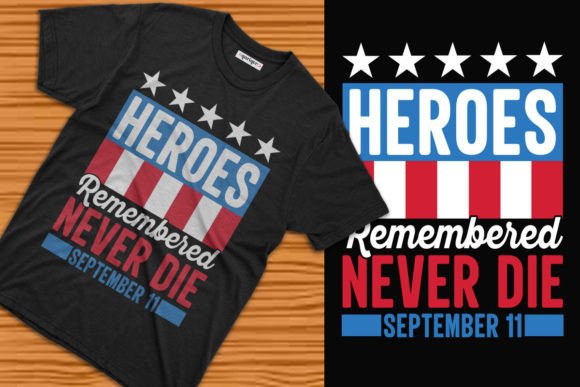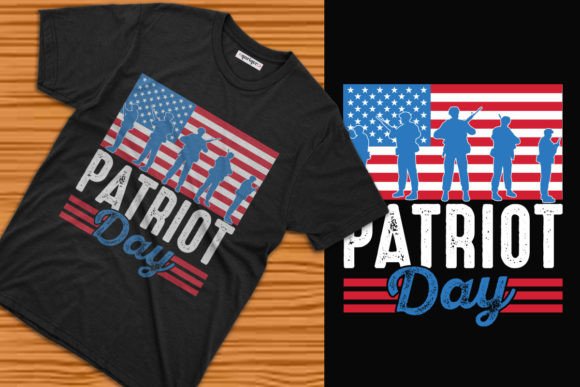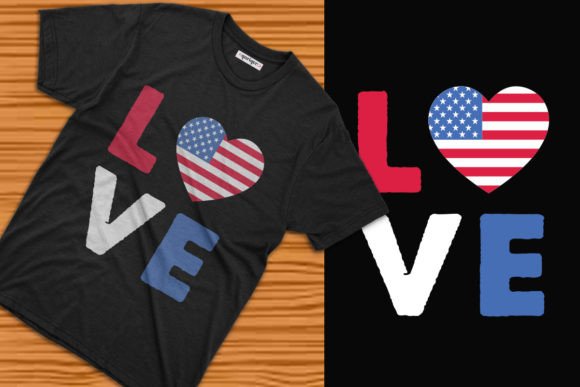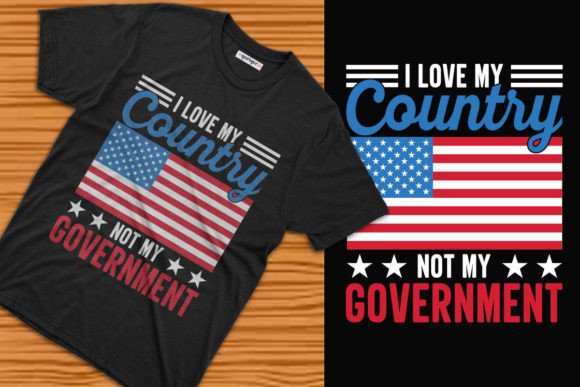
I Love My Country Patriot Day Tee Design
First Impressions: Bold, Clean, and Ready for Real Stitches
When I opened I Love My Country Patriot Day Tee Design, I didn’t see just another flag-themed graphic—I saw a design with clear intention. It’s got that confident, centered composition you want for chest or pocket placement: strong vertical rhythm, balanced negative space, and lettering that reads instantly—even at 3 inches tall. The theme is unmistakably patriotic, but it avoids cluttered iconography or dated motifs. No eagles mid-dive or stacked stars-and-stripes borders. Instead, it leans into clean typography with subtle stylistic nods—slight serif weight in the “I” and “Love,” a crisp uppercase “MY COUNTRY,” and a small, well-proportioned star accent. It feels like something you’d confidently stitch on a linen apron for a small-batch kitchen boutique—not a last-minute POD upload.
Where This Design Truly Shines (and Where It Needs Care)
I tested I Love My Country Patriot Day Tee Design across three real project types: a medium-weight cotton tote bag, a fleece-lined unisex sweatshirt, and a 100% cotton tea towel. On the tote? Excellent clarity. The letterforms held their shape without excessive satin stitching, and the star stayed sharp thanks to moderate stitch density. On the sweatshirt? Slightly softer definition around curves—but still legible and warm, especially when paired with navy or charcoal thread. The tea towel was the most revealing test: fine cotton + low thread tension = minor fraying on tight interior corners. Not a flaw in the design itself, but a reminder that I Love My Country Patriot Day Tee Design performs best on stable, medium-to-heavy fabrics—not ultra-thin gauze or heavily brushed fleece.
For baby embroidery or nursery decor? Proceed with caution. The letter spacing is generous, but the smallest elements (like the star’s inner points) may blur if scaled below 2.5 inches or stitched on knit onesies without firm cutaway stabilizer. Likewise, curved surfaces—caps or structured beanies—will require careful digitizing adjustments unless the file includes multiple hoop-ready versions. As a machine embroidery design, it’s built for readability, not intricate lacework. That’s a strength—not a limitation—for T-Shirt Designs meant for real-world wear and washing.
Real-World Fit: What Kind of Product Does This Design Elevate?
This isn’t a design for “just in case.” It works hardest where authenticity and emotional resonance matter: personalized gifts for teachers, first responders, or military families; small-shop merchandise for July 4th pop-ups; embroidered patches for scout troops; or even minimalist pillow covers for a veteran-owned home goods line. I used it on a navy canvas apron for a local bakery’s staff gift set—and customers immediately asked where to buy one. Why? Because it looked handmade, not mass-printed. The clean lines translated beautifully into stitch, and the theme felt personal without being performative.
It’s also surprisingly versatile for digital use. As a Graphics asset, it holds up well in printable mockups—especially black-and-white versions for Etsy listings or craft fair signage. But remember: your final finished product depends as much on execution as concept. A poorly stabilized sweatshirt will mute even the strongest embroidery file. So before listing it as an Etsy seller or stocking it in your small shop product lineup, ask: does this reflect the care my customers expect from a handmade product?
Practical Designer Notes You Can’t Skip
- Always test on scrap fabric first—especially if using textured weaves or dark backgrounds. Thread contrast makes or breaks legibility.
- Review stitch density before scaling. High-density fills may pucker lightweight cotton; reduce density slightly for baby items or towels.
- Confirm hoop size compatibility. If your machine maxes out at 4x4”, check whether key elements (like the full phrase) fit comfortably—or if centering requires repositioning.
- Inspect small details at actual stitch size. Zoom in on the star and terminal strokes of letters. Do they resolve cleanly? Or do they rely on optical illusion at screen size?
- Test black-and-white mockups to gauge visual weight. Does it read as bold or washed out on light fabric? Does it disappear against darks without metallic or high-contrast thread?
- Use proper stabilizer—cutaway for knits, tear-away for stable wovens. Skipping this step turns even the best embroidery project into puckered disappointment.
- Verify licensing before selling finished items or bundling the digital embroidery file as part of a craft business kit. “Fully customizable” doesn’t automatically mean commercial-use cleared.
Final Thought: Design With Purpose, Not Just Patriotism
I Love My Country Patriot Day Tee Design succeeds because it respects both the craft and the customer. It doesn’t shout—it stands. It fits naturally on a custom apparel piece without demanding attention, yet carries enough presence to feel intentional. For embroidery designers, it’s a reliable starting point—not a finished solution. For creative entrepreneurs, it’s a thoughtful asset that supports brand consistency without constraining voice. And for anyone stitching a personalized gift or holiday embroidery item? It’s the kind of design that lands quietly, warmly, and memorably—right where it should.