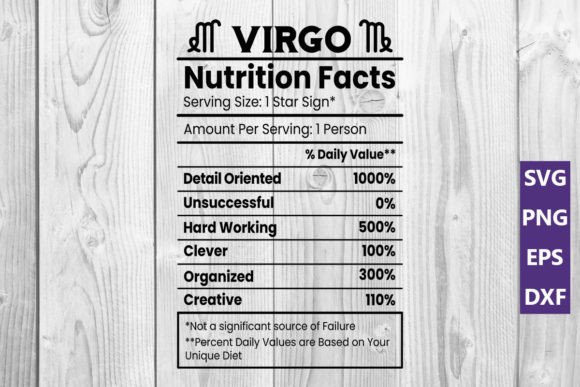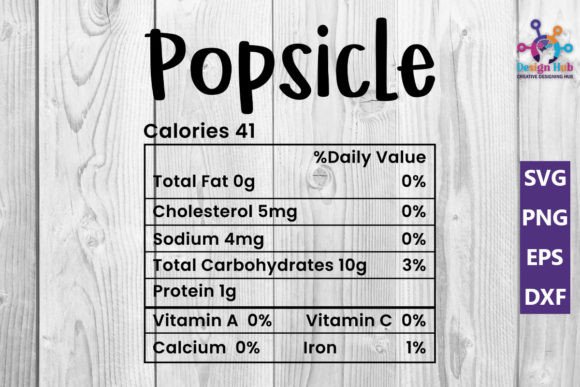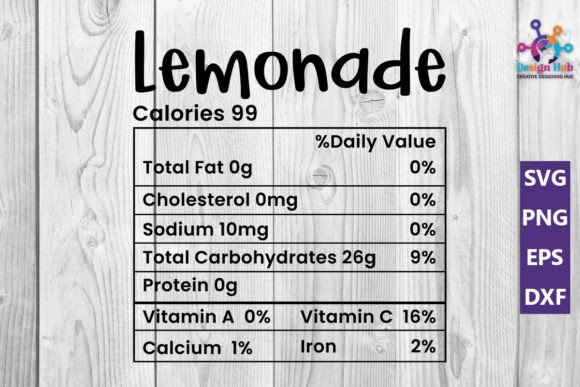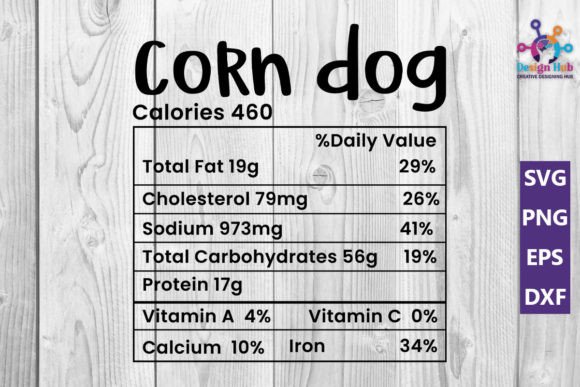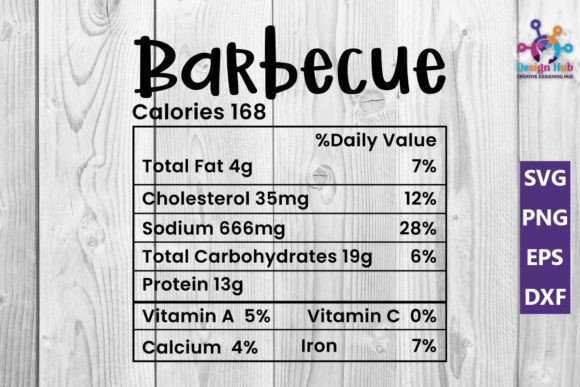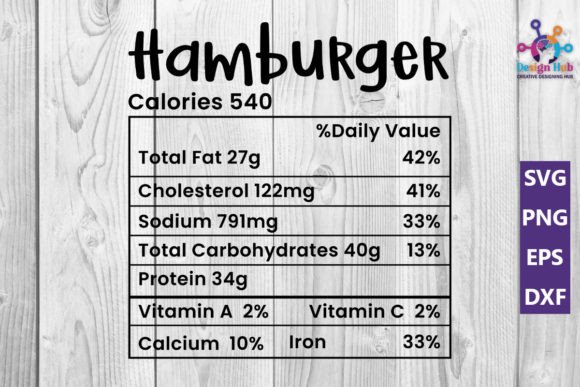
Hamburger Nutrition Facts SVG: Graphics for Crafts Projects
As a graphic designer who’s built brand identities for food trucks, launched Etsy shops for artisanal sauce makers, and developed packaging for small-batch snack brands, I recently evaluated Hamburger Nutrition Facts SVG for a client project—a summer pop-up series featuring locally sourced burgers and retro diner branding. My goal wasn’t just to see if it “works,” but whether it elevates the visual story with authenticity, flexibility, and professional polish.
A First Impression That Feels Intentional—Not Clipart
Opening the file bundle, I was immediately struck by how designed this asset feels—not like generic clipart, but like a deliberate illustration crafted for context. The typography nods to mid-century FDA labels, yet avoids caricature; the layout balances structure and charm. It reads as trustworthy without stiffness, playful without sacrificing clarity. For handmade businesses leaning into nostalgic or Americana themes—think craft burger kits, vintage-style food truck merch, or farmers’ market signage—this sets an immediate tone of approachable expertise.
Where It Shines in Real Client Work
Hamburger Nutrition Facts SVG performs exceptionally well across several high-impact use cases:
- Product mockups: Layered over kraft paper bags, ceramic mugs, or denim tote mockups, it adds instant credibility and thematic cohesion—especially when paired with hand-drawn icons or custom typography.
- Packaging design: As a secondary label element on burger seasoning jars or frozen patty boxes, its clean vector structure scales flawlessly from 1” sticker to 8” front panel.
- Social media graphics: Used as a focal point in Instagram carousels explaining ingredient sourcing or sustainability claims, it anchors messaging with visual familiarity—audiences instantly recognize the format, which boosts retention.
- Cricut projects & sublimation design: With native SVG, EPS, and DXF support, it cuts cleanly on vinyl, etches crisply on wood signs, and transfers smoothly onto hoodies or aprons—no pixelation, no alignment headaches.
- Printable design & editorial layouts: In recipe zines or seasonal lookbooks for food-focused small businesses, it serves as both functional info and decorative motif—especially when duplicated as a subtle border or background texture.
Smart Pairings—and Where to Pause
This graphic design asset thrives alongside sans-serif display fonts (think Montserrat Bold or Bebas Neue) and warm, earthy color palettes—mustard yellows, brick reds, charcoal grays. It harmonizes beautifully with handwritten accents for ingredient callouts, but clashes with ultra-minimalist serif systems like Didot or modern corporate typefaces like Inter or IBM Plex Sans.
Use Hamburger Nutrition Facts SVG carefully in:
- Small sizes (<12pt height)—fine print legibility suffers without manual kerning adjustments;
- Crowded layouts—its inherent density competes with other informational elements;
- Low-contrast backgrounds—test rigorously on light beige or soft gray substrates;
- Professional corporate materials—its stylistic voice is too specific for B2B health tech or clinical nutrition clients.
Design Judgment: Readability, Trust, and Brand Consistency
What makes this more than just another SVG download? Its hierarchy is pre-structured: serving size first, calories prominent, macros clearly grouped. That built-in logic supports visual trust—critical when designing for food safety compliance, allergen transparency, or farm-to-table storytelling. When integrated into a broader brand identity, it reinforces consistency without demanding full rebranding. A client using it across t-shirt design, digital ads, and product labels signals attention to detail—even if they’re a one-person handmade business.
Practical Designer Notes Before Client Use
Before dropping Hamburger Nutrition Facts SVG into a live project, I always run these checks:
- Test in black and white: Does contrast hold? Are strokes thick enough for screen printing?
- Preview at scale: Zoom to 25% and 400%—does alignment stay crisp? Do tiny dashes or bars vanish?
- Mock it realistically: Drop into a Canva template for Instagram Stories or a Printful t-shirt mockup—see how it interacts with folds, seams, and lighting.
- Verify file integrity: Open the SVG in Illustrator—can you ungroup and edit text fields? Is the PNG truly transparent (no halo or compression artifacts)?
- Licensing audit: Confirm commercial license covers your client’s use case—especially for print-on-demand, subscription boxes, or digital products sold via Etsy or Gumroad.
Final Verdict: A Thoughtful Addition to Your Design Assets
Hamburger Nutrition Facts SVG isn’t a universal solution—but for designers supporting food-centric small businesses, seasonal campaigns, or creative marketplace sellers, it’s a rare find: a functional, stylistically grounded, technically robust graphic design asset. It bridges utility and aesthetic intention without oversimplifying nutrition communication. When used intentionally—as part of a cohesive printable design system, a themed Cricut project suite, or a limited-edition packaging refresh—it adds warmth, wit, and professionalism in equal measure. For the right client, it’s not just decoration. It’s visual shorthand for honesty, craft, and care.